
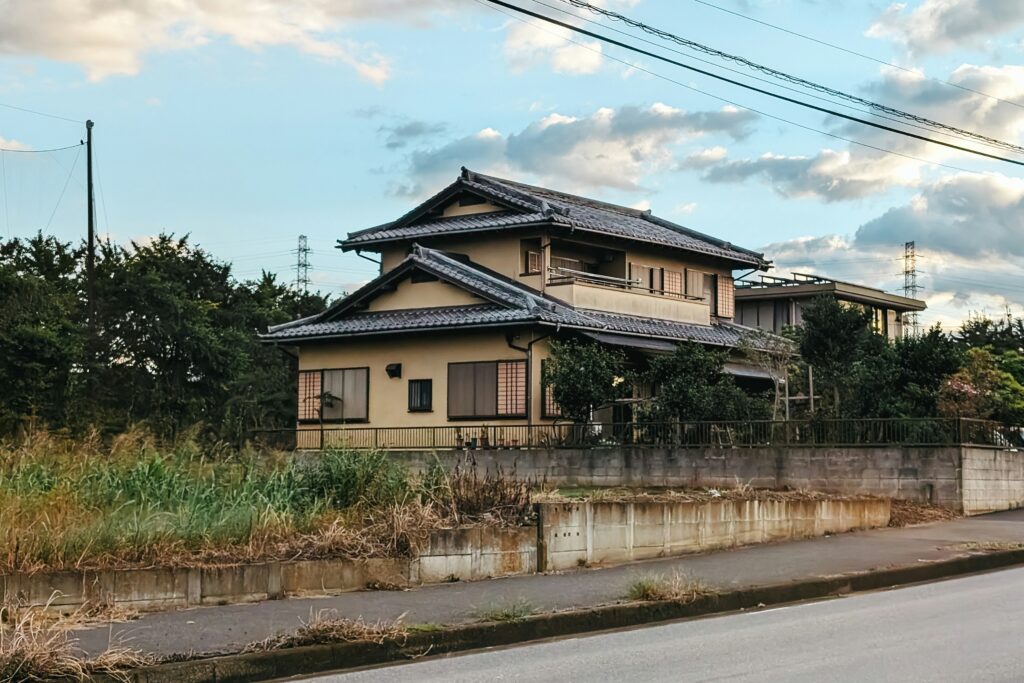
We’ve all seen the viral videos: a sprawling, traditional Japanese house with sliding paper doors and a Zen garden, sitting empty and neglected. Then comes the kicker—the price tag is less than a used car.
Just like many people scrolling through real estate “doom-scrolls” or aesthetic YouTube renovation channels, I’ve become obsessed with the akiya.
Literally translated as “vacant house,” the akiya phenomenon is one of the most fascinating—and slightly eerie—trends in the world right now. It’s a story of a country that is physically shrinking, leaving behind millions of homes that no one seems to want.
Table of Contents
ToggleThe Numbers That Don't Add Up
If you live in a city where rent eats 50% of your paycheck, the math in Japan feels like a glitch in the matrix. According to recent government data, there are over 9 million abandoned houses across the country.
That is roughly 14% of all residential properties in Japan. Imagine walking down a street and knowing that every seventh house is a shell, slowly being reclaimed by the weeds. It’s not just a rural issue anymore, either; akiya are starting to pop up in the suburbs of major hubs like Tokyo and Osaka.
Why is Japan "Ghosting" Its Homes?
From an outsider’s perspective, it seems crazy. Why wouldn’t someone just move in? But as I dug deeper into the “Akiya-sphere,” the reasons started to make sense—and they’re a perfect storm of culture and economics.
The Demographic Cliff: Japan has one of the oldest populations in the world. When homeowners pass away, their children often have no interest in moving back to a quiet village. They have lives, jobs, and tiny apartments in the city.
The “New is Better” Mindset: This was the biggest shock to me: Japanese houses aren’t built to last forever. While we view old homes as “charming,” in Japan, a house is often treated like a car—it depreciates. After 20 or 30 years, the building is basically worth zero. The value is all in the land.
The Tax Trap: Up until recently, Japanese law actually penalized people for tearing down old houses. If you cleared the land, your property taxes could skyrocket by six times. So, families just walk away, leaving the house to rot to save on taxes.
The Allure of the $500 House
The headlines make it sound like a fairy tale: “Buy a house for the price of a PlayStation!” While there are “Akiya Banks” (online databases run by local towns) that list properties for next to nothing, the reality for a potential buyer is more like a high-stakes puzzle.
The dream The real world cost
Price: $500 for a mansion. Hidden Fees: Thousands in taxes and “cleaning” costs Vibe: Peaceful countryside Daily Life: 40-minute drives for a carton of living. milk. Project: A simple weekend DIY. Reality: Months of battling mold and termites.
The "Akiya Hunters"
There is a growing community of “Akiya Hunters”—mostly young Japanese locals or adventurous expats—who are documenting their journeys on social media. They see these houses as a blank canvas for a lifestyle that the modern city simply can’t offer.
Watching someone peel back layers of old wallpaper to find hand-carved wood underneath is incredibly satisfying. They are searching for a sense of purpose that the corporate grind couldn’t provide. In a way, restoring an abandoned home becomes a path toward finding their Ikigai. It’s a DIY lover’s ultimate challenge. But for every success story, there are stories of hidden termites, “unregistered” land boundaries, and the crushing loneliness of living in a town where the average age is 75.
More Than Just Dust: A Warning for the Rest of Us?
The rise of the akiya is a bittersweet story. It’s a sign of a society in transition. While we currently have a massive housing shortage in many Western countries, Japan shows us what happens when the population starts to decline.
It makes me wonder: Is our obsession with real estate as a “guaranteed investment” just a phase? Japan’s ghost houses suggest that a home is only as valuable as the people who are willing to live in it.
Final Thoughts
Even from thousands of miles away, the akiya story pulls at the heartstrings. There’s something deeply human about a house waiting for someone to open the windows again.
Whether these houses are a tragic sign of decay or a golden opportunity for a new generation of “homesteaders” depends on who you ask. But one thing is for sure: the era of the “free house” has turned Japan into the world’s most interesting real estate experiment.